
"and grow"
48000 article(s) found
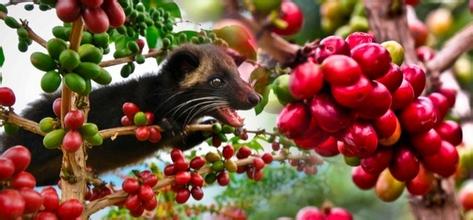
Where is the best place for coffee trees to grow and grow? Requirements for planting conditions of boutique coffee
In botany, coffee trees belong to the evergreen trees of the subgenus Rubiaceae, and coffee beans, commonly known as coffee beans, are actually the seeds of the fruit of coffee trees, just because they are shaped like beans, so they are called coffee beans. Climate is the decisive factor for coffee cultivation. Coffee trees are only suitable for growing in the tropics or subtropics, so north and south latitudes
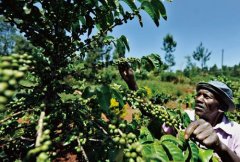
Can coffee trees planted in shade grow their own coffee beans?
Health and quality go hand in hand, says Byron Holcomb, a coffee farmer from Brazil. He deliberately grows coffee in the sun, and healthy coffee is more likely to get good quality. From a botanical point of view, coffee is a kind of lower shrub vegetation, which naturally needs to grow under taller trees, and such trees are the so-called shade plants for coffee.

What's the difference between low altitude and high altitude coffee beans?
What is the difference between low altitude and high altitude coffee beans what is the difference in grinding thickness between low altitude and high altitude coffee beans grown at high altitude are hard, dense and have the potential to give full play to their special flavor. The really amazing coffees are grown between 4000 and 6000 feet above sea level, and these beans are picked carefully only during the mature season. The rating of Central American coffee is based on the altitude at which the coffee grows.

The coffee market is growing explosively and the demand for coffee machines is also rising.
It is understood that China's ready-to-drink coffee and energy drinks market is worth US $6 billion and is expected to grow by a further 20 per cent in the next three years. China is Starbucks' fastest growing market outside the United States. Starbucks has more than 1500 stores in China. Apart from the rapid expansion of stores, Starbucks obviously does not want to miss China's fast-growing ready-to-drink coffee market. And choosing to form an alliance with Master Kang

Effect of altitude on Coffee Flavor
The influence of geographical location on the flavor of coffee beans is profound. All coffee grows in the tropics, and the altitude at which it grows has a profound effect on the taste of coffee.

A little knowledge about coffee trees how coffee trees grow and grow their own coffee trees.
Professional coffee knowledge exchange more coffee bean information Please follow the coffee workshop (Wechat official account cafe_style) there are more than 6000 species of coffee trees, most of which are tropical trees and shrubs. There are four main coffee trees in the world, of which only two are of real commercial value and are planted in large quantities, and the quality of the coffee beans is also better than that of other coffee trees.
6 Types of Ethiopian Coffee
1. Limu coffee grows between 1400 meters and 2000 meters above sea level. washed coffee. Excellent quality, with intense nutty aromas, moderate acidity and wine intensity. Annual production of 29,000 tons. Gima coffee grows between 1400 and 1800 meters above sea level. Sunburn coffee. Slightly sour, nutty and long finish. Annual production of 70,000 tons. 3. Gambi coffee grows
Coffee beans Six world-famous Ethiopian coffees
1. Limu coffee grows between 1400 meters and 2000 meters above sea level. washed coffee. Excellent quality, with intense nutty aromas, moderate acidity and wine intensity. Annual production of 29,000 tons. Gima coffee grows between 1400 and 1800 meters above sea level. Sunburn coffee. Slightly sour, nutty and long finish. Annual production of 70,000 tons. 3. Gambi coffee grows

Can the coffee beans you buy grow coffee trees? How is coffee grown?
The coffee beans bought cannot be planted, just like white rice cannot grow grain rice. Coffee cultivation needs living seeds to take root and sprout, but the coffee fruit planted is generally not suitable for drinking. After harvest, coffee fruit needs to be treated by sun and washing, and only after baking can it be suitable for drinking. The flavor is good
Natural Environmental conditions for growing Coffee: an introduction
The ideal environmental conditions for planting Arabica coffee trees are as follows:
Boutique Coffee Common sense six world-famous Ethiopian coffees
1. Limu coffee grows between 1400 meters and 2000 meters above sea level. Wash the coffee. Excellent quality, with strong nut aromas, suitable acidity, with the intensity of wine. The annual output is 29000 tons. 2. Jima Coffee grows between 1400 and 1800 meters above sea level. Sun-baked coffee. Slightly sour, with nutty aromas and a long finish. The annual output is 70000 tons. 3. Growth of Gamby Coffee

Coffee growing area of Tanzania
Coffee growing area: African Coffee: medium concentration Coffee description: refreshing acidity and medium mellow complement blackcurrant and sweet orange flavors processing method: washing with flavors: blackcurrant, orange and lemon-like coffee: Kenya coffee Tanzania coffee from the rich soil of the East African Rift Valley, is an outstanding representative of quality coffee from this region. Its clear

Coffee beans introduce six kinds of world-famous Ethiopian coffee
1. Limu coffee grows between 1400 meters and 2000 meters above sea level. Wash the coffee. Excellent quality, with strong nut aromas, suitable acidity, with the intensity of wine. The annual output is 29000 tons. 2. Jima Coffee grows between 1400 and 1800 meters above sea level. Sun-baked coffee. Slightly sour, with nutty aromas and a long finish. The annual output is 70000 tons. 3. Growth of Gamby Coffee
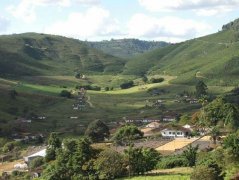
How to grow Coffee quality will be better Coffee planting Micro-environment introduction
How to grow coffee quality will be better coffee planting microenvironment introduces the origin of coffee trees in Ethiopia, Africa. In botany, coffee trees belong to the evergreen trees of the subgenus Rubiaceae, and coffee beans, commonly known as coffee beans, are the seeds of the fruit of coffee trees, just because they are shaped like beans, so they are called coffee beans. Climate is the decision of coffee cultivation.

Coffee growing area of Tanzania
Coffee growing area: African Coffee: medium concentration Coffee description: refreshing acidity and medium mellow complement blackcurrant and sweet orange flavors processing method: washing with flavors: blackcurrant, orange and lemon-like coffee: Kenya coffee Tanzania coffee from the rich soil of the East African Rift Valley, is an outstanding representative of quality coffee from this region. Its clear

Coffee beans introduce six kinds of world-famous Ethiopian coffee
1. Limu coffee grows between 1400 meters and 2000 meters above sea level. Wash the coffee. Excellent quality, with strong nut aromas, suitable acidity, with the intensity of wine. The annual output is 29000 tons. 2. Jima Coffee grows between 1400 and 1800 meters above sea level. Sun-baked coffee. Slightly sour, with nutty aromas and a long finish. The annual output is 70000 tons. 3. Growth of Gamby Coffee

Costa Rican coffee plantations Costa Rican coffee growing areas
Full-bodied particles, ideal acidity, unique and intense aroma. Tarrazu, Costa Rica, is one of the world's leading coffee producers, producing coffee with a light, pure flavor and pleasant aroma. Costa Rica's volcanic soils are fertile and well drained, making it the first country in Central America to grow coffee and bananas for commercial value. Coffee and bananas are the country's staple foods.

Costa Rican coffee plantations Costa Rican coffee growing areas
Full-bodied particles, ideal acidity, unique and intense aroma. Tarrazu, Costa Rica, is one of the world's leading coffee producers, producing coffee with a light, pure flavor and pleasant aroma. Costa Rica's volcanic soils are fertile and well drained, making it the first country in Central America to grow coffee and bananas for commercial value. Coffee and bananas are the country's staple foods.

The advantages and disadvantages of growing coffee in Brazil are suitable for coffee-growing countries in Central and South America.
There are many large farms in Brazil, which run endless coffee plantations. They use machines to harvest and dry them. They are so efficient in automation that they regard coffee as a general agricultural material and completely abandon the flavor and flavor. As a result, many select coffee companies simply do not sell Brazilian beans so as not to demean themselves. In select coffee shops, Santos in Brazil still appears occasionally.